
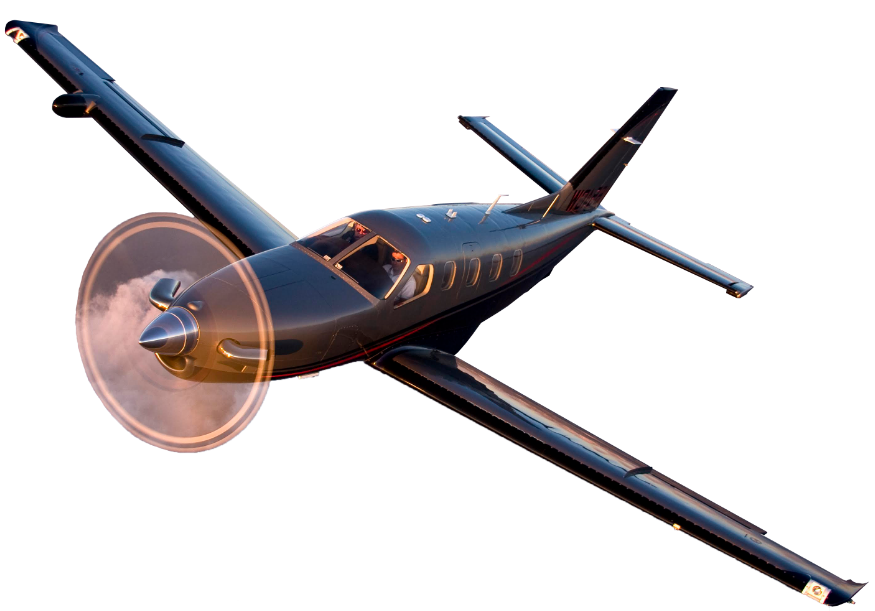
A successful piston-to-turbine transition comes down to learning the turbine's systems (especially the PT6 engine and pressurization), mastering energy management at higher speeds and altitudes, completing insurance-approved transition training, and flying your first 25–50 hours with a qualified mentor. Treat it as a mindset shift, not just a new airplane.
Moving from a high-performance piston to a turboprop or light jet is one of the most rewarding transitions in general aviation — and one of the most punishing if you skip steps. Here's the checklist that consistently produces confident, insurable turbine owner-operators.
Most of the trouble I see with new turbine owners isn't stick-and-rudder — it's decision-making at speed. A Cirrus SR22 gives you time to think. A TBM 940 or PC-12 will be five miles further down the road before you finish the sentence. That mindset shift, more than any single system, is what makes or breaks the first year.
The mindset shift
Two things change the day you strap into a turbine and never change back:
- Speed of decision-making. At 250 KTAS in the flight levels, a decision delayed by 30 seconds costs you two miles of setup. Descent planning, weather deviations, and approach briefings happen earlier and get committed to sooner.
- Energy management at altitude. Your airplane wants to stay fast. Pulling the power isn't enough — you plan energy the way you plan fuel, and you brief the descent before top of climb.
Everything else on this checklist supports those two habits.
1. Systems knowledge
Turbines are simpler mechanically but far more automated. Master the AFM cold before your first flight, then go deep on the areas that bite new turbine owners:
- PT6 engine care — start sequence, ITT limits, torque limits, prop governing
- Hot starts and hung starts — recognition and immediate action, memorized
- Pressurization — schedule, differential limits, and the emergency descent trigger
- Ice protection — inertial separator, boots or TKS, prop heat, windshield heat, and the icing decision tree
- Torque management — takeoff, climb, cruise, and the reserved torque available if you need it
- Electrical and bleed-air — bus architecture, load shedding, and what fails when what fails
AFM, systems videos, then a whiteboard walkthrough with an instructor. In that order.
2. Energy management
Piston pilots plan descents by reducing power. Turbine pilots plan descents in miles and thousands of feet. Get comfortable with 3-to-1 profiles, top-of-descent math, and the fact that a clean turboprop will happily arrive over the runway at 200 knots if you don't intervene.
3. Pressurization
Learn the pressurization schedule cold. Understand cabin altitude vs differential, emergency descent triggers, and what to do when the cabin climbs unexpectedly. High-altitude physiology training is a smart add-on — your insurer will thank you.
4. Turbine engine care
Starts are the highest-risk moment in a turbine's life. Master hot-start recognition, hung-start recovery, and torque management on takeoff and climb. Habits built in the first 50 hours protect your engine for the next 3,500.
5. Insurance & mentorship expectations
First-year insurance for a piston-to-turbine transition typically requires:
- Initial type-specific training (in-aircraft or sim)
- 25–50 hours of mentor time with an approved instructor
- A written checkout signed by the mentor
- Recurrent within 12 months
Plan the mentor hours on a realistic calendar. Twenty-five hours of dual sounds short until you try to fit it around weather, work, and the fact that your mentor is a working pilot with a schedule of their own. Most owners I've flown with take 60–90 days to log the mentor requirement, and the ones who front-load it in the first month come out of the transition sharpest.
The mentor requirement is often the difference between a policy that closes and one that doesn't. See how one of our students made the leap in the Getting Wings story, read the specifics for TBM insurance requirements, or explore our turbine transition training.
The 10-item pre-transition checklist
- Current Class 2 medical, Class 1 if you want the option
- Instrument currency, not just legality — fly 6 approaches in the 60 days before you start
- Complete AFM read-through with margin notes
- Systems whiteboard session with an instructor
- Insurance quote confirmed, with training and mentor requirements in writing
- Initial training scheduled — in-aircraft or sim — before you take delivery if possible
- Mentor identified, approved by the underwriter, and calendar blocked
- High-altitude physiology training if your new aircraft flies above FL250
- First 50 hours planned — home routes, familiar airports, no hero missions
- Recurrent already on the calendar 11 months out
Do the transition once, do it right, and the rest of your ownership is easier every year after.