
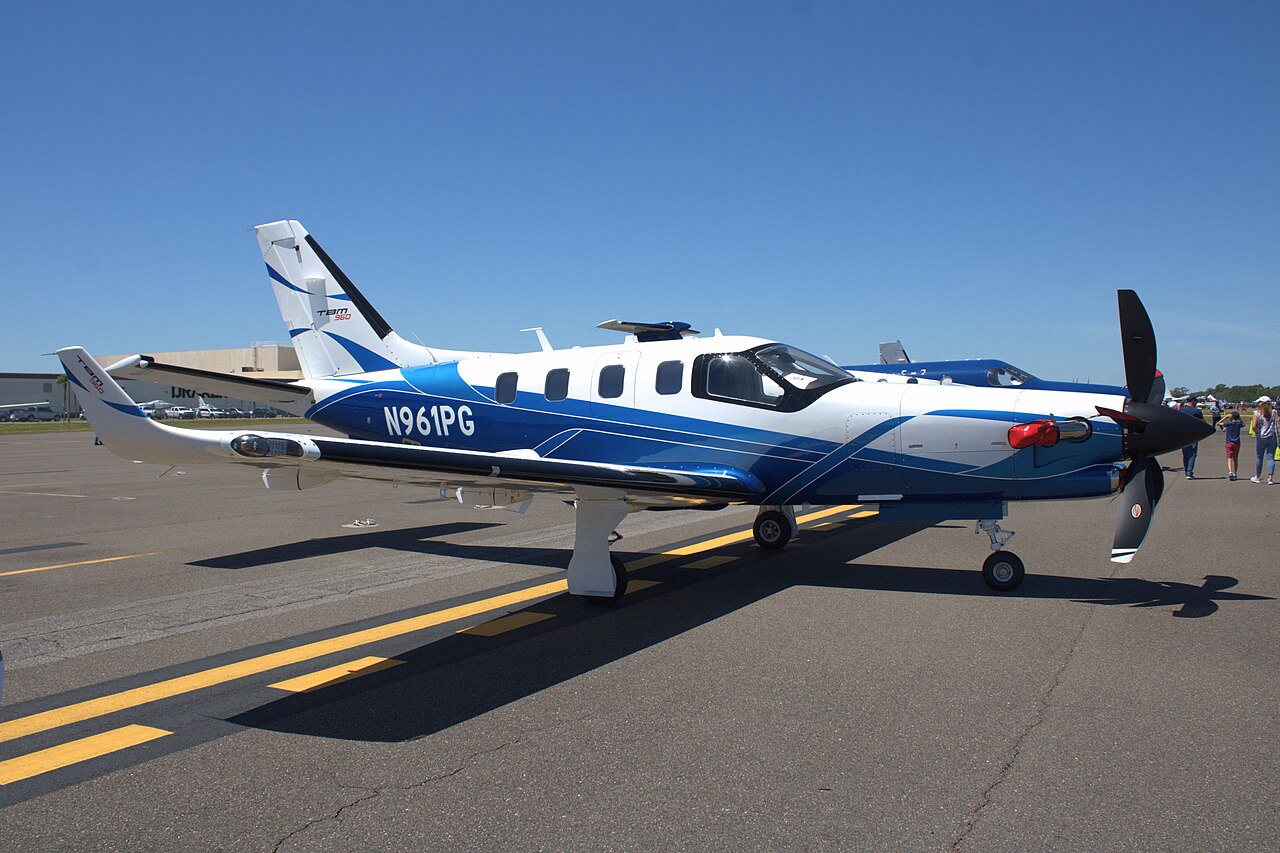
TBM insurers generally require initial type-specific training before you fly as PIC and annual recurrent training from an approved provider to keep coverage in force, with minimum hours and experience set by the underwriter. A two-day, insurance-approved recurrent in your own TBM satisfies that clause and also counts toward the FAA flight review (BFR) and IPC.
If you own a TBM, your insurance policy will look almost identical to your friend's — right up to the training clause. That's where the money and the headaches live. Here's what underwriters actually require and how a proper recurrent course satisfies them without turning your annual training into a box-checking exercise.
Over the last few renewal cycles, underwriters have tightened requirements for owner-flown turbines across the board — TBM, PC-12, Meridian, M600. Loss ratios in the owner-flown single-engine turbine segment ran hot, reinsurance got more expensive, and the response landed on the training clause of your policy. If your renewal quote came back with new language this year, you're not alone.
Why underwriters tightened the training clause
Insurance is priced on loss data. Owner-flown turbines saw a run of runway excursions, gear-up landings, and loss-of-control events during the last several years, and the underwriters that stayed in the segment did so by writing tighter training and experience requirements into every renewal. Expect language that:
- Names specific approved training providers or requires "insurance-approved" instruction
- Requires an annual instrument proficiency check on top of the BFR
- Mandates a minimum number of dual-instruction hours in type each year
- Adds an "open pilot" warranty with steep minimums for anyone else flying the aircraft
The clause is not negotiable at bind, but the training itself is where you get value back — a good recurrent produces a safer captain and a cleaner renewal.
Typical TBM policy training requirements
Every policy is different, but the pattern is consistent:
- Annual recurrent — every 12 months, insurance-approved
- IPC — instrument proficiency check under FAR 61.57, usually rolled into recurrent
- Dual-instruction hours — typically 4–8 hours in-aircraft or a full sim course
- Named-pilot warranty — pilots listed by name with total-time and in-type minimums
- Open-pilot warranty — anyone else must meet ATP/Commercial, 1,500–2,500 total, and in-type recency
Annual recurrent — non-negotiable
Every major aviation insurer requires TBM owner-operators to complete recurrent training every 12 months in a policy-approved program. That usually means either a simulator course (FlightSafety, SimCom) or an in-aircraft course with a qualified, insurance-approved instructor. In-aircraft training is often preferred because it trains for your panel, your routes, and your operating environment.
What "insurance-approved training" actually means
"Insurance-approved" is not a certification you can look up on the FAA registry. It means the underwriter or their aviation department has accepted either a named program (FlightSafety, SimCom) or a specific instructor's credentials, airframe experience, and syllabus. To confirm a course qualifies for your policy, do two things before you book:
- Send your broker the instructor's name, ratings, in-type PIC hours, and syllabus outline
- Get written confirmation from the underwriter — an email is fine — that the course satisfies your training clause
5X5's TBM recurrent has been accepted by every major owner-flown turbine underwriter we've worked with. If your broker needs syllabus documentation, we send it directly.
Approved-instructor sign-offs
Your policy names the individual instructor or the program by name. When training wraps, you'll need a signed certificate of completion that references the airframe, the syllabus, and the FAA endorsements satisfied (BFR under 61.56, IPC under 61.57). 5X5's TBM recurrent produces exactly this paperwork, with copies emailed to your broker if you'd like.
Open-pilot warranty — the fine print
An "open pilot" clause lets a qualified pilot outside your named-pilot list fly the aircraft. For a TBM, expect requirements like:
- ATP or Commercial with instrument rating
- 1,500–2,500 total time with minimum turbine PIC hours
- Recent recurrent in type
- No incidents, accidents, or violations in the last 5 years
If you're planning to hire a contract pilot, verify their credentials meet your open-pilot terms before the trip — a single missing hour can void coverage.
What happens if you skip recurrent
If you fly past your training due date, most policies don't cancel automatically — they simply exclude coverage for any loss that occurs while you're out of compliance. Meaning: the aircraft is still insured on paper, but a hull claim will be denied if the underwriter finds you were past-due at the time of loss. This is the single most expensive mistake owner-operators make. Put your recurrent due date on the same calendar as your annual inspection and don't let either slip.
How 5X5's insurance-approved course satisfies your policy
Two days, in your aircraft, built around your syllabus. Here's how each day maps back to the policy requirements above:
- Day 1 ground satisfies the systems and emergency-procedures portion of your training clause and the ground portion of the IPC.
- Day 1 flight + Day 2 logs the dual-instruction hours your policy requires and covers every IPC task under 61.57 plus the BFR maneuvers under 61.56.
- Sign-off packet includes the certificate of completion, syllabus, and endorsement page your broker forwards to underwriting.
Ground review covers systems and the specific decision points that separate low-time TBM owners from seasoned captains. In-aircraft scenarios drill the weak spots we find on day one. You leave with the certificate your underwriter expects — and a one-page habit plan you'll actually fly.
Full details on the turbine training page, a rundown of what our PC-12 recurrent looks like, or check the pricing page for exact investment figures.